Museum of Interiors Where Design History Lives

Museum of Interiors

Where Design History Lives

Latest Articles

The Library Empties: What Replaced the Bookshelf as America's Domestic Status Symbol
Cultural History

The Library Empties: What Replaced the Bookshelf as America's Domestic Status Symbol

The built-in bookshelf was once among the most reliable signals of cultivated American domesticity—a wall of spines communicating intellectual identity as clearly as any diploma. Something happened to it. Understanding what displaced it, and what those replacements say about American cultural values, is an exercise in reading interiors as honestly as any text.
The Painted Mood: Seven Decades of American Wall Color as Emotional Autobiography
Design History

The Painted Mood: Seven Decades of American Wall Color as Emotional Autobiography

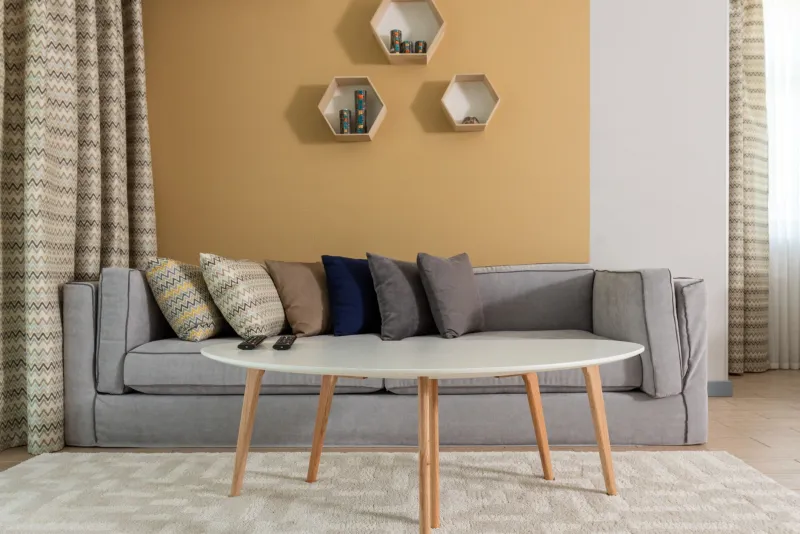
The colors Americans choose for their walls have never been purely aesthetic decisions. From the tentative pastels of postwar optimism to the aggressive neutrals of the anxiety-ridden 2000s and today's resurgent appetite for dramatic, saturated hues, residential paint palettes function as an unintentional national diary. Read closely, they document what we hoped for, what we feared, and what we could not bring ourselves to say out loud.

The Room That Received No One: America's Farewell to the Formal Parlor
Cultural History

The Room That Received No One: America's Farewell to the Formal Parlor

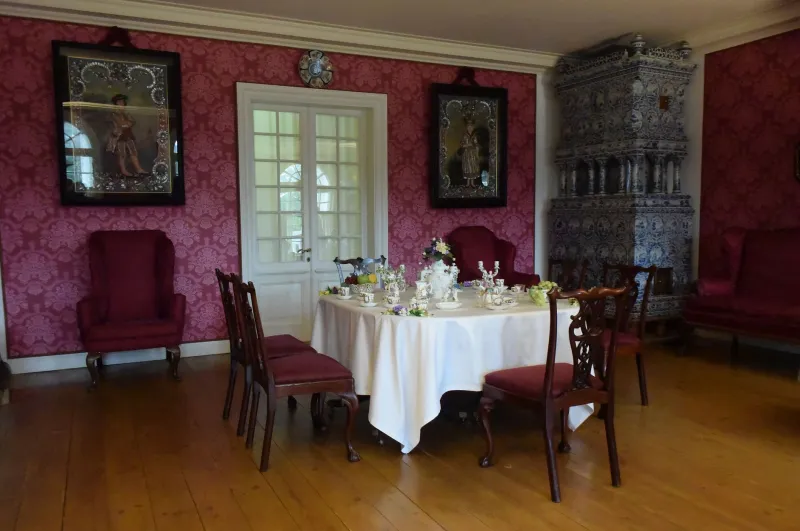
For more than a century, the parlor stood as the most carefully curated room in the American home — a stage for social performance, grief, and aspiration. Its disappearance from our floor plans was not simply an architectural decision but a profound cultural surrender. What did we gain from open-concept living, and what, quietly, did we forfeit?

More Is More: The Historical Case for Maximalist Interiors and the Spaces That Refused to Disappear
Design History

More Is More: The Historical Case for Maximalist Interiors and the Spaces That Refused to Disappear

For decades, minimalism held an almost moral authority over American interior design, equating empty surfaces with good taste and restraint with sophistication. But a growing movement of designers and homeowners is deliberately reclaiming the layered, pattern-rich, object-filled room as a legitimate—and historically grounded—form of aesthetic expression. Tracing maximalism from its postmodern origins to its present-day resurgence reveals that the cluttered room was never really out of fashion; i

The Vanishing Servant and the Open Kitchen: How Domestic Labor's Decline Rebuilt the American Floor Plan
Cultural History

The Vanishing Servant and the Open Kitchen: How Domestic Labor's Decline Rebuilt the American Floor Plan

The transformation of the American home throughout the twentieth century is typically narrated as a story of aesthetic evolution—the triumph of modernism, the rise of suburbia, the open-plan revolution. Yet one of the most powerful forces reshaping domestic architecture was neither a design movement nor a technological innovation, but a social upheaval: the near-total disappearance of household servants from middle- and upper-class American homes. The floor plans we inhabit today are, in profoun

Walls Without Rules: The Radical Interior Spaces That Rewrote American Domestic Life
Cultural History

Walls Without Rules: The Radical Interior Spaces That Rewrote American Domestic Life

Before the loft became a real estate category, it was an act of defiance. In the industrial districts of New York, Los Angeles, and Chicago, artists and bohemian communities of the 1960s and 1970s transformed raw, unfinished spaces into some of the most influential interiors in American design history — rooms that rejected every convention of the postwar domestic ideal and, in doing so, permanently altered the vocabulary of how Americans think about home.

Atomic Age Revisited: Why Mid-Century Modern Has Become the Defining Aesthetic of the American Home
Design History

Atomic Age Revisited: Why Mid-Century Modern Has Become the Defining Aesthetic of the American Home

More than seven decades after its emergence from post-war American optimism, mid-century modern design has secured a permanent place in the contemporary home. From authenticated Eames originals to the contested world of licensed reproductions, the movement's visual language now speaks to a new generation of design-conscious homeowners navigating questions of authenticity, affordability, and aesthetic identity.